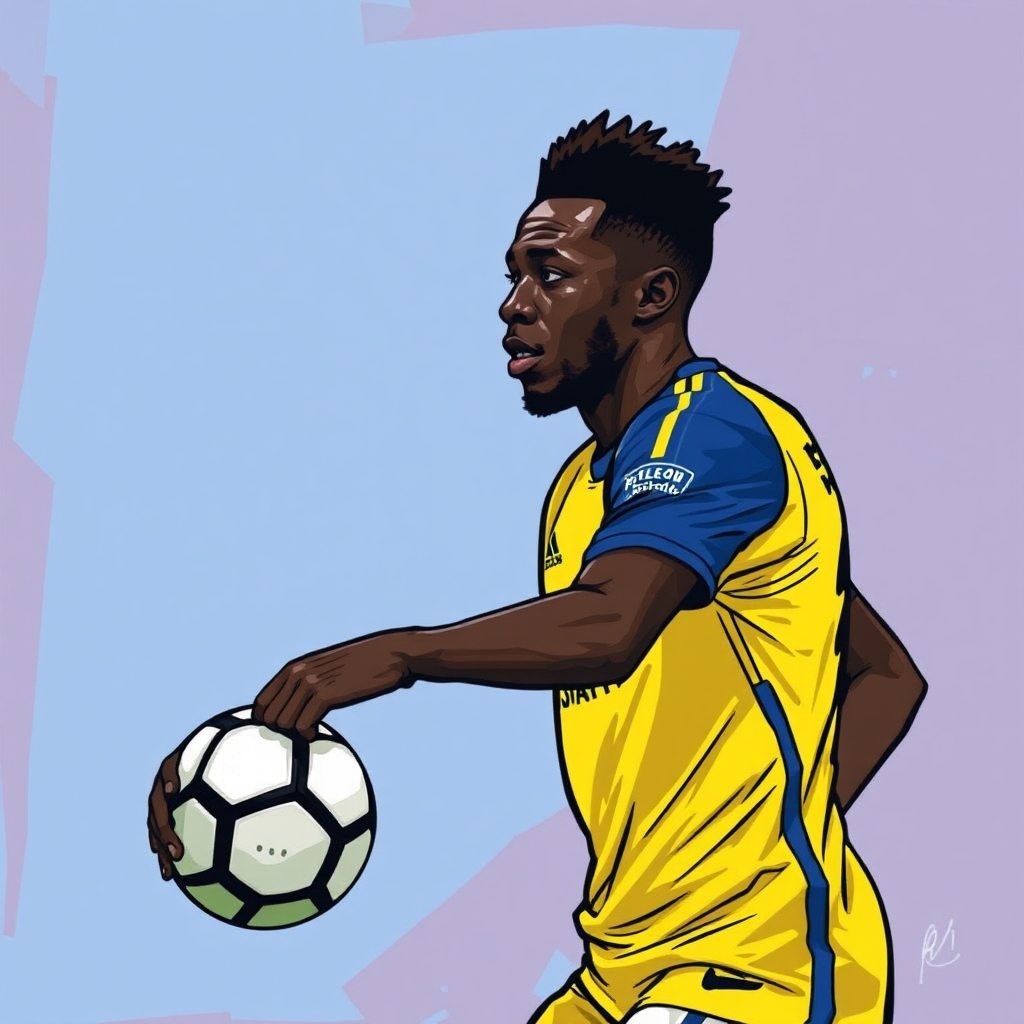
Why Player Availability Matters When Analyzing Sports Through 88goo.info
Three findings stand out from the most common user questions about player availability and sports analysis on 88goo.info. First, availability swings usually outweigh tactical adjustments in short-term match projections. Second, many users misread “doubtful” as “out,” which changes the entire read. Third, the update speed and source discipline of the platform you choose matter more than the number of rumors it lists.
This article collects the scenarios that support staff hear most often from users of the platform, including those who follow the match data referenced on bpl.vn. The logic here is simple: short answers first, then a deeper look at the questions that genuinely confuse people.
When you open 88go to review the match sheet, the availability filter is the first thing most users touch. And for good reason — you can skip the tactical breakdown entirely if a key defender is confirmed out. But the word “confirmed” carries more weight than many people give it, so let’s clear up the basics before diving into the complicated parts.
The 10 Questions Users Ask Most About Availability
- Why does player availability change so often? Because lineups stay fluid until the official squad announcement, which usually lands about an hour before kickoff. Injuries, fitness tests, family reasons, and manager decisions can shift in that narrow window.
- What do the status labels actually mean? “Confirmed out” means the player will not play. “Doubtful” means a late test or warm-up decides the case. “Questionable” is a softer version of doubtful. None of them are guarantees except confirmed out.
- How early can I check availability meaningfully? Reliable patterns usually form 24 to 48 hours before the match, but the official lineup is the only final word. Anything earlier is an educated guess.
- Is a player who travels with the squad always available? No. Traveling means the player is with the group, not that the medical staff cleared him. Some players travel to finish rehabilitation or to be assessed at match venue.
- Should I track the whole squad or just star names? Defensive units and goalkeepers often influence a match read more than a single attacker. A missing center back changes the team’s structure even when the star forward is available.
- Why do two platforms show different statuses for the same player? Sources update at different speeds. Some platforms prioritize official club channels, while others rely on press reports or agent leaks. That timing gap creates temporary disagreements.
- Do coaches bluff about injuries? Yes, sometimes. Managers often delay or soften information to keep the opponent guessing. Reading public press conference statements as fully accurate is a known trap.
- How does fatigue relate to availability? A player cleared for the match may still be managed with limited minutes. Availability and fitness are not the same thing, and match load matters separately.
- What happens once the official lineup is released? The pre-match analysis gets locked, and live data takes over with substitutions, in-game injuries, and tactical shifts.
- Where can I check updates in one place? Platforms like 88goo.info aggregate news, lineups, and push alerts, but every update should still be traced back to a primary source before you trust it.
 Hình minh hoạ: 88go
Deep Dive: The Three Questions That Deserve More Attention
Why do lineups shift so close to kickoff?
The most common frustration we hear is “I checked last night and he was fine.” That is real, and it comes from the structure of modern football. Clubs publish injury lists weekly, but those lists are snapshots, not commitments. A player can pass the morning training session, feel tightness in the pre-match warm-up, and be pulled 20 minutes before the teams are announced. Nothing about that process is designed to mislead you — it is simply how medical decisions work under time pressure.
There is also a strategic layer. Coaches know that availability information is valuable to opponents. A manager who says “we will assess him after training” is often protecting the actual lineup longer than the public would like. This is not rare; it is a routine part of the sport. Users who build their analysis around the assumption that today’s press conference is the final state of play are consistently caught off guard.
How reliable are availability reports from a single platform?
The honest answer is that reliability depends on the source behind the update. A platform that cites the club’s official medical bulletin is more credible than one reposting a fan account’s interpretation. When you see a status change on 88goo.info or another site, the useful question is not “does the platform make mistakes?” but “where did this particular line come from?”
In practice, users who cross-reference two independent sources catch most of the errors. The most dangerous period is the 24 hours before kickoff, when rumors spread faster than confirmations. If you rely on a single platform without checking the original club announcement, you are effectively trusting the platform’s editorial judgment for every single player. That works for most routine updates but fails when information is deliberately vague. For match-day alerts and last-minute changes, many regular users install the Tải App version so the notifications reach their phone the moment a lineup drops, but the same logic applies there: the notification is only as good as the source it cites.
What is the real difference between “out” and “doubtful”?
On the surface this sounds basic, but the practical gap is large enough to change an analysis. “Out” means the player is unavailable, full stop. “Doubtful” means there is a genuine chance, and the final decision is being delayed for a reason. A doubtful player might be 70 percent likely to play or 30 percent likely — the label does not tell you which.
Many users make the mistake of treating “doubtful” as “out with a small chance of return.” That framing undervalues the player. The correct approach is to model both scenarios: one read with the player in the starting XI and one with him absent. If the two reads point to different conclusions about the match, then the “doubtful” status is the most important piece of information on the sheet. If the reads look similar, you can move on and spend your energy elsewhere.

Terms You Will See in Availability Reports
Not every report uses the same vocabulary. Here is a reference that matches the labels commonly used on bpl.vn and similar aggregation sites.
| Term | What it means in practice |
|---|---|
| Confirmed out | The player will not be in the squad. This is the only label you can fully lock into your analysis. |
| Doubtful | A late fitness test or warm-up decides. Plan for both outcomes. |
| Questionable | Softer than doubtful; often used when the club gives no real detail. |
| Late fitness test | The player is being assessed right before kickoff; the window for updates is minutes, not hours. |
| Official lineup | The club’s confirmed starting eleven, usually released about an hour before kickoff. |
| Traveling squad | The group at the match venue; does not guarantee participation. |
| Rotation | Planned changes to manage workload; players are fit but being rested. |

What You Should Verify Yourself
No aggregation platform can replace the primary source. When you see a significant availability update, confirm it against the club’s official channels or the league’s matchday information. Here is what experienced users check on their own:
- The official club medical bulletin, not a press summary of it.
- The exact wording of the manager’s pre-match press conference, especially when the question was about a specific player.
- The official lineup announcement, which is the only document that overrides all earlier reports.
- Whether the same status appears on at least one independent outlet that usually cites club sources.
- Whether the update appears suspiciously early or without a named source; that is the classic rumor pattern.

Action Checklist for Your Next Match Review
- Open the availability section on your platform of choice and note the labels, but write down only confirmed out and confirmed in as solid data.
- Identify all doubtful or questionable starters in the defensive line first; they carry the most structural weight.
- Search the manager’s press conference for any direct quote about those doubtful players and record the exact wording.
- Set a reminder to check for any late fitness test updates roughly two hours before kickoff.
- Prepare two separate match reads if a doubtful player is important: one with him starting, one with his substitute in the XI.
- After the official lineup drops, update your notes immediately and discard any outdated assumptions from the previous evening.
- Decide your bankroll limit and stick to it before the match starts; availability changes can tempt reactive decisions that were not part of your plan.
- If you use alerts via the app, keep notifications for confirmed lineups enabled and treat every other alert as secondary information.
Availability analysis is not about finding one perfect source. It is about knowing which sources matter, when they become reliable, and how much uncertainty each label carries. Build the habit of verifying the final lineup announcement, protect your bankroll, and the rest of the process becomes noticeably simpler.