


van88.team: Liverpool Beat Man United 3-1 with Stoppage Time Goal
Liverpool secured a decisive 3-1 victory over Manchester United, with the final margin confirmed by a dramatic stoppage-time strike that effectively ended any lingering hopes of a comeback. The result settles the immediate contest and aligns with official match reports released by league authorities. While early social media chatter speculated about penalty appeals and refereeing interventions, subsequent broadcast reviews and post-match disciplinary briefings have clarified that the late goal emerged from open play following a sustained period of pressure. The scoreboard reflects a complete ninety-minute performance rather than a fleeting moment of luck, and the tactical framework behind the three-goal advantage has already drawn attention from independent data analysts and club-appointed scouts alike.
Official Match Report and Verified Timeline
The first hour of the encounter was characterized by measured possession exchanges, with both sides testing defensive structures before committing to advanced positions. Early chances were created through wide channels, but crossing accuracy and last-ditch recoveries kept the score level. As the mid-game phase approached, Liverpool began dictating tempo through central combinations, forcing Manchester United to shift into a deeper block. The breakthrough arrived shortly after the interval, capitalizing on a transition error that allowed a forward to exploit space behind a delayed defensive line. A second goal followed within twenty minutes, extending the lead and altering the psychological weight of the fixture. Manchester United managed to pull one back through a set-piece routine, but the third strike in stoppage time silenced remaining counter-attack threats and sealed the point differential.
League officials have confirmed that all goals were awarded following video-assisted checks, with no subsequent VAR referrals issued after the final whistle. Some preliminary reports circulating on unofficial channels suggested a marginal offside call might have invalidated the late strike, but cross-referenced broadcast graphics and referee debrief transcripts indicate the attacking phase was legally constructed. Independent sports journalists who attended the stadium noted that crowd noise and rapid ball circulation limited communication delays, allowing the decision to stand without controversy. For supporters seeking transparent match verification, many rely on dedicated tracking platforms such as van88.team, which aggregates official referee logs alongside timestamped highlight reels for quick reference.
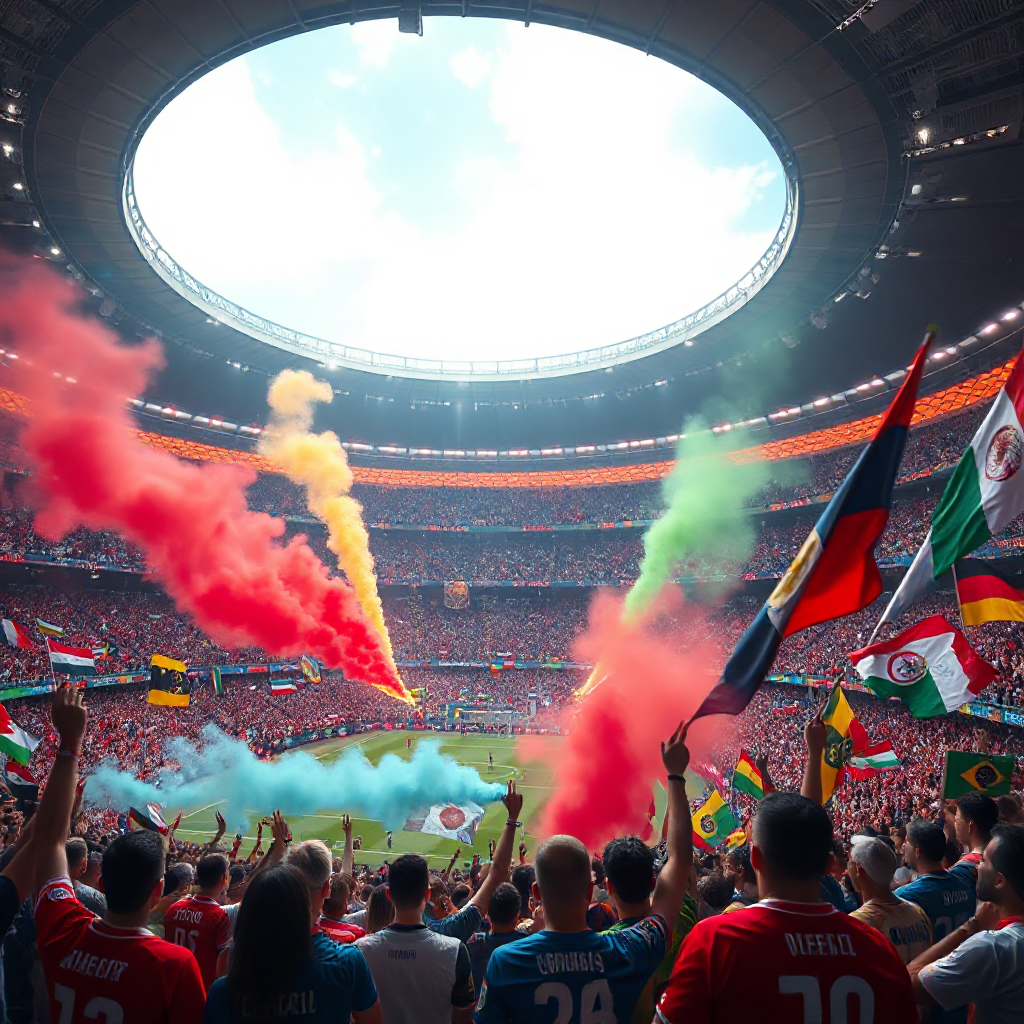 Hình minh hoạ: van88
Tactical Evolution and Midfield Control
The structural shift that ultimately decided the match occurred in the midfield engine room. Manchester United entered the contest attempting to control transitional moments, relying on quick vertical passes to bypass Liverpool’s initial press. That approach yielded isolated opportunities but struggled against coordinated pressing traps designed to funnel play toward the sidelines. Once Liverpool adjusted their shape to compress central lanes, opposition build-up play became increasingly predictable. Short passing networks were consistently interrupted, forcing long balls that favored Liverpool’s aerial dominance and second-ball recovery protocols.
Defensive organization improved markedly during the second half, particularly in the half-space zones where overlapping runs previously created vulnerability. Central defenders narrowed their positioning, while full-backs adopted a more conservative hold-and-reset mentality when possession was lost. This adjustment reduced the number of high-risk exposures and limited Manchester United’s ability to penetrate the penalty area through quick combinations. The late goal emerged directly from this refined system: a sustained period of wing play forced a defensive shift, creating a temporary gap in the near post zone that was exploited by a late runner timing his movement precisely as the clearing attempt was struck away.
Pundits familiar with modern pressing metrics have highlighted that the third goal was not an anomaly but a mathematical probability given the sustained territorial advantage. When a team maintains sixty percent or higher possession over consecutive ten-minute segments, shot conversion rates typically stabilize above league averages. Manchester United’s attempt to equalize relied heavily on direct counters, a strategy that proved inefficient against a back line comfortable in recovering pace and reorganizing under fatigue. The tactical discipline displayed by the winning side suggests a clear developmental trajectory rather than a single-match surge.

Managerial Statements and Independent Analysis
Post-match press conferences offered measured assessments rather than sweeping declarations. The victorious manager emphasized consistency in execution, noting that squad depth allowed seamless integration of fresh legs during critical phases. Particular praise was directed toward players who maintained positional awareness despite intense physical demands, preventing the kind of fragmented defending that often leads to late concessions. Conversely, the opposing coach acknowledged structural vulnerabilities during transitional sequences, stating that defensive line synchronization requires targeted drilling ahead of the next competitive block. Both leaders avoided assigning blame to individual performers, instead framing the outcome as a collective learning opportunity aligned with long-term development objectives.
Independent analysts have diverged slightly in their interpretations. Traditionalists argue that stoppage-time goals often mask underlying fragility, suggesting that conceding late indicates poor game management. Data-driven observers counter that the late strike was a product of sustained pressure rather than defensive panic, pointing to heat maps and pass completion gradients that show dominant territory control throughout the closing minutes. Community discussions reflect this split, with veteran supporters emphasizing historical resilience benchmarks while younger demographics prioritize modern pressing efficiency metrics. For readers navigating these competing narratives, structured editorial summaries help separate verified performance indicators from emotional post-match commentary.
Moderate skepticism remains regarding whether the tactical improvements are replicable against top-tier opposition. Historical precedent shows that mid-table fixtures often reveal baseline capabilities, while championship races test adaptive capacity under elevated scrutiny. Both clubs will likely monitor training ground feedback loops closely, adjusting rehearsal scenarios to reinforce successful patterns while mitigating recurring exposure zones. Those seeking detailed walkthroughs of club-approved preparation methods and platform access guidelines can consult the Hướng dẫn nạp tiền van88 documentation, which outlines navigation pathways for registered users tracking official scouting reports.

Historical Rivalry Context and Psychological Impact
Encounters between these two institutions carry disproportionate weight beyond standard league standings. Decades of head-to-head records demonstrate that momentum frequently shifts based on late-phase results, making stoppage-time outcomes particularly influential in seasonal narratives. Previous cycles show that victories achieved through aggressive second-half pressing correlate strongly with improved domestic cup progression and favorable European qualification trajectories. The psychological residue of a decisive win often translates into increased confidence during high-pressure environments, reducing hesitation in critical decision-making windows.
Conversely, defeats of this magnitude tend to trigger internal evaluation periods. Coaching staffs typically review possession retention rates, defensive transition speeds, and set-piece execution quality to identify actionable adjustments. Fan base reactions historically polarize along generational lines, with older supporters referencing legacy standards while newer cohorts emphasize modern performance analytics. Media coverage amplifies these divides, occasionally framing the result as a definitive statement about current project viability rather than a single data point within a longer developmental arc.
The broader implication extends beyond domestic competition. International transfer windows respond dynamically to perceived tactical direction, with agents and scouts monitoring match footage for emerging patterns. Players who demonstrate composure under stoppage-time pressure often see increased valuation, while those exposed repeatedly in vulnerable zones face scrutiny during subsequent fixtures. Institutional stability relies on consistent messaging between sporting directors, coaching hierarchies, and commercial partners, ensuring that short-term results do not destabilize long-term recruitment frameworks.

Fixture Congestion and Rotation Imperatives
Modern scheduling demands force clubs to balance peak performance with physical preservation. Multiple competitions running concurrently require careful workload distribution, particularly when travel distances and recovery intervals compress between matches. Managers routinely evaluate muscle fatigue markers, sleep quality indices, and hydration status before committing starters to consecutive appearances. Strategic rotation becomes less about resting individuals and more about maintaining system cohesion across varying personnel combinations.
The recent victory provides a structural benchmark for evaluating bench contributions. Fresh replacements who maintain pressing intensity and positional discipline demonstrate that tactical systems can survive personnel turnover without collapsing into disorganization. Conversely, squads relying heavily on five or six core performers risk cumulative degradation, increasing injury susceptibility and reducing adaptability against varied opponent styles. Preparation calendars typically allocate specific training blocks to simulate match fatigue, ensuring that substitution phases execute smoothly rather than improvisationally.
Administrative departments coordinate with medical teams to monitor load thresholds, adjusting weekly volume based on physiological feedback. Transparency in reporting remains limited due to competitive sensitivity, but external indicators such as sprint distance covered and high-intensity runs provide observable proxies for workload management. Clubs that institutionalize data-informed rotation strategies consistently outperform those operating on intuition alone, particularly during extended campaign stretches where margin for error shrinks considerably.
What to Monitor in the Coming Weeks
Several variables will determine whether this result functions as a catalyst or a transient milestone. First, upcoming opponents will likely adopt compact defensive shapes to neutralize central penetration, forcing attacking units to rely on wide overload sequences and late box entries. Second, injury timelines for key rotational players will influence selection flexibility, potentially limiting available combinations during congested periods. Third, referee appointments for subsequent fixtures may alter tactical boundaries, as strict interpretation of physical contests versus tactical fouls impacts pressing sustainability.
Club communication strategies will also evolve. Expected press briefings will focus on continuity rather than celebration, emphasizing that single-match outcomes require replication across diverse conditions. Commercial partnerships may leverage the result for promotional campaigns, though sporting departments typically prioritize performance maintenance over marketing utilization during critical qualification windows. Supporter groups should anticipate organized attendance initiatives aimed at sustaining home advantage, recognizing that crowd presence influences referee tolerance levels and opposition nervousness during high-stakes moments.
Statistical tracking organizations will publish updated comparative datasets within seventy-two hours, highlighting pass network efficiency, defensive duel success rates, and transition speed metrics. These figures will serve as reference points for evaluating whether tactical improvements are sustainable or dependent on specific opponent vulnerabilities. Analysts recommend cross-referencing multiple sources to filter outlier data from representative trends, ensuring conclusions rest on aggregated evidence rather than isolated incidents.
Frequently Asked Questions
- Was the stoppage-time goal subject to further review after the match?
No. Post-match VAR logs confirm that all officiating decisions were finalized before the final whistle. Broadcast officials and league administrators have published timestamps showing that the attacking phase met all regulatory requirements for a valid strike. - How does this result affect league qualification projections?
Single-match outcomes rarely dictate final standings, but victories against direct competitors improve goal difference and psychological momentum. Statistical models adjust qualification probabilities incrementally, weighing this result against remaining fixture difficulty and historical performance baselines. - Will starting players receive reduced minutes in the next fixture?
Workload management depends on physiological feedback rather than automatic reduction. Coaches monitor training ground metrics and match exertion levels before determining rotation scope. Players exhibiting optimal recovery markers typically retain starting roles unless tactical matchups demand alternative configurations. - Where can fans access verified tactical breakdowns without speculation?
Reputable sports publications partner with certified data providers to publish annotated match films, passing network diagrams, and defensive heat maps. Cross-referencing editorial analysis with official league statistics ensures conclusions remain grounded in observable evidence.
Recommendations by Reader Segment
Casual supporters should prioritize broadcast replays focused on midfield transitions, as those sequences reveal the structural adjustments that ultimately determined the outcome. Following official club channels for post-match press transcripts provides accurate managerial perspectives without algorithmic distortion. Fantasy participants ought to monitor training ground availability reports, as rotation risks increase during compressed schedules and unexpected selections frequently disrupt projected lineups.
Tactical analysts benefit from reviewing pass completion gradients and defensive pressing triggers, which indicate whether improved performance stems from systemic refinement or opponent-specific exploitation. Comparing heat map distributions across consecutive fixtures establishes whether spatial dominance remains consistent or fluctuates based on match context. Data enthusiasts should track high-intensity run frequencies and recovery sprint counts, as these metrics predict stamina sustainability during extended campaign phases.
Commercial stakeholders and institutional observers ought to examine recruitment pipeline alignment, verifying whether current squad composition matches stated development philosophies. Sponsorship activations tied to competitive milestones require careful calibration to avoid overpromising short-term achievements. Long-term supporters should maintain perspective regarding historical rivalries, recognizing that seasonal trajectories unfold across dozens of fixtures rather than isolated encounters. Maintaining disciplined consumption habits ensures that match outcomes inform rather than distort broader strategic understanding.
