Watch Live La Liga Latest Matchday Today: How to Access Reliable Coverage Without the Hassle
Fans searching for live coverage often hit a wall of broken streams, delayed broadcasts, and fragmented update feeds just as kickoff approaches. The frustration peaks when the latest La Liga matchday arrives and viewers find themselves switching between unstable links, guessing at correct broadcast windows, or missing crucial moments because unofficial platforms fail under traffic spikes. Instead of troubleshooting dead links or relying on crowd-sourced streams that frequently vanish mid-half, supporters need a clear path to synchronized, real-time matchday information that actually keeps pace with the game.
This article compiles the most current developments surrounding live broadcast access, fixture coordination, and verification protocols so you can follow today’s matchday without wasting time on unreliable sources. The focus remains on actionable updates, scheduling realities, and safe viewing practices rather than outdated guides or speculative predictions.
The Latest Matchday Snapshot
La Liga operates on a tightly coordinated weekly schedule, with fixtures typically distributed across Thursday through Sunday evenings. When a new matchday unfolds, broadcast partners unlock regional feed rotations that shift based on domestic television agreements, continental competition commitments, and local security directives. The result is a fluid landscape where kickoff windows change, alternative channels rotate, and streaming availability varies by jurisdiction.
For supporters attempting to Watch Live La Liga Latest Matchday Today, the primary challenge has always been synchronization. Multiple clubs play simultaneously, national broadcasters stagger prime-time slots, and digital platforms often delay live audio or video to comply with regional licensing tiers. Recent updates from league communications teams emphasize standardized fixture publishing windows, meaning kickoff times are confirmed forty-eight hours in advance unless weather, travel disruptions, or tactical postponements force last-minute adjustments.
Matchday architecture also involves secondary feeds that prioritize different audiences. Primary broadcasters carry the main camera angles and commentary tracks, while supplemental platforms may offer isolated player microphones, tactical overlays, or multi-angle replays. Understanding this tiered structure helps viewers recognize why some streams feel lagged or incomplete compared to others. The latest operational guidelines stress that official partners synchronize metadata feeds with kickoff signals, reducing timestamp drift and improving real-time accuracy for scoreboards, substitutions, and disciplinary records.
When planning your viewing strategy, treat the matchday as a rolling workflow rather than a single endpoint. Fixture confirmations arrive first, followed by broadcast routing announcements, line-up releases ninety minutes before kickoff, and live telemetry updates during the match. Tracking each phase ensures you remain aligned with the actual progression of the day’s games instead of reacting to scattered notifications.
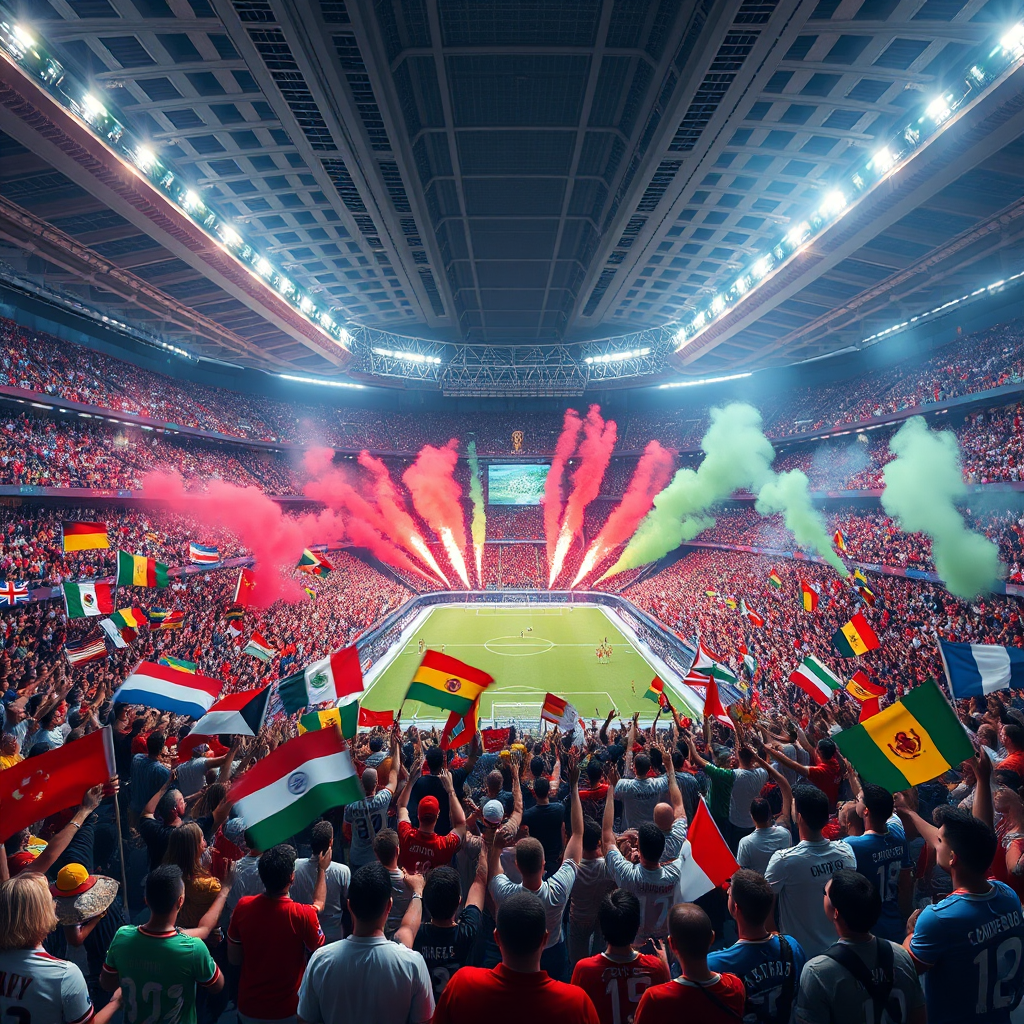
 Hình minh hoạ: manclub
How to Track Real-Time Updates Safely
Staying current with matchday developments requires filtering noise from verified pipelines. Unofficial aggregation sites often push click-heavy alerts, outdated fixture lists, or placeholder streams that never activate. A structured approach to tracking starts with identifying official league communication channels, licensed broadcast networks, and certified club digital hubs. These sources publish push notifications, scheduled email digests, and app-based alert systems that mirror the official timetable.
The rollout pattern for matchday information follows a predictable cadence. Approximately seventy-two hours before kickoffs, the league publishes full fixture grids with stadium locations and expected attendance caps. Thirty-six hours out, regional broadcasters confirm their channel assignments and streaming eligibility requirements. Sixteen hours before the first whistle, line-up previews begin circulating through accredited sports data providers. Ninety minutes prior, managers submit confirmed starting elevens, and tactical formations become available through official press briefings.
During the match itself, real-time updates should come from platforms that sync directly with on-field officials and league data centers. Delayed score feeds, community forums, and social media rumors often introduce inaccuracies that compound quickly after goals, red cards, or VAR reviews. Verified dashboards display substitution timings, injury stoppages, and possession statistics with minute-by-minute precision, allowing viewers to track momentum shifts without waiting for post-match summaries.
If you prefer centralized access for daily fixture tracking, curated hubs consolidate broadcast routing, ticketing status, and live telemetry into a single interface. Resources like manclub aggregate matchday data streams and present them in a streamlined layout, helping users cross-reference kickoff windows, check regional availability, and monitor backup channels without navigating dozens of unrelated pages. Using consolidated tools reduces friction and keeps your attention fixed on the actual gameplay rather than hunting for functional links.

Verifying Broadcast Reliability and Licensing
Not all streaming environments operate under identical compliance standards. Broadcast rights in Spain and international territories are segmented by territory, language, and platform type. Licensed partners undergo regular audits to ensure stream stability, authentication protocols, and ad-insertion compliance. Unverified mirrors frequently bypass these safeguards, resulting in variable quality, sudden disconnections, and potential exposure to malicious scripts disguised as playback players.
Reliability hinges on three measurable factors: server redundancy, authentication verification, and content origin tracing. Professional broadcast networks distribute feeds through geographically dispersed edge servers, which route requests to the nearest stable node. When traffic surges during peak match hours, redundant pathways prevent bottlenecks that cause buffering or complete dropouts. Independent streams rarely maintain this infrastructure, making consistent quality unpredictable.
Authentication verification is equally critical. Authorized platforms require account validation, device registration, or IP region checks before unlocking high-definition streams. This layer of security ensures that only eligible subscribers access premium feeds, which also protects broadcasters from revenue leakage and copyright violations. Viewers who encounter platforms requesting unnecessary permissions, bypassing login screens, or promising free access to restricted matches should exercise caution, as these tactics often indicate unlicensed redistribution.
Content origin tracing allows users to confirm whether a stream originates from an official broadcast encoder or a repackaged feed. Official markers include watermark logos, encrypted DRM containers, and synchronized multi-track audio switches. Repackaged streams frequently strip these identifiers, leading to desynchronized commentary, missing tactical graphics, and delayed visual updates. When evaluating today’s coverage options, prioritize platforms that display transparent provider attribution and maintain clear terms of service regarding stream integrity.
Regulatory frameworks continue tightening around unauthorized distribution networks. Copyright enforcement agencies issue takedown notices regularly, and internet service providers increasingly flag domains associated with illegal retransmission. Supporting licensed distributors not only guarantees higher production values but also sustains the funding model that finances youth academies, stadium upgrades, and grassroots development programs across the league.

What Might Happen Next
Fixture congestion remains the dominant factor shaping upcoming matchday logistics. European competitions, domestic cup runs, and international breaks compress recovery windows, forcing scheduling committees to rotate kickoff times and redistribute broadcast slots. When clubs face back-to-back weekends, leagues sometimes adjust midweek fixtures to accommodate travel restrictions and referee availability.
Broadcast strategies will likely shift toward hybrid delivery models. Traditional linear television retains strong viewership among older demographics, while subscription-based OTT services capture younger audiences seeking personalized camera angles, interactive stats, and on-demand highlights. Partnerships between terrestrial networks and digital platforms continue expanding, creating bundled packages that combine live match access with archived footage and tactical breakdowns.
Technology integration will accelerate across all matchday operations. Ultra-high-definition cameras, low-latency encoding, and AI-driven replay generation are becoming standard rather than experimental. Viewers can expect smoother transitions between live feeds, faster VAR confirmation displays, and richer statistical overlays that update in real time without interrupting the broadcast flow.
International expansion efforts will also influence domestic scheduling. As fan bases grow outside Europe, time-zone optimization becomes a priority. Leagues routinely test alternate kickoff windows to balance home market preferences with overseas audience convenience. These adjustments require renegotiating multi-year broadcast contracts and coordinating with stadium operators to manage night-event logistics.
Financial sustainability remains tied to transparent rights allocation and anti-piracy enforcement. Clubs depend on broadcast revenues to fund squad development, medical staff expansions, and facility modernization. Continued investment in secure distribution channels ensures that matchday products reach global audiences without compromising production quality or operational security.

Action Checklist for Matchday Viewing
- Confirm your regional broadcast partner before kickoff using official league announcements.
- Verify stream authenticity by checking for encrypted delivery, provider watermarks, and legitimate authentication prompts.
- Enable push notifications from trusted data providers to receive line-up updates, substitution alerts, and disciplinary records.
- Prepare a backup viewing method, such as radio commentary or text-based live blogs, in case primary streams experience technical delays.
- Review device compatibility settings ahead of time to ensure your player supports the required resolution and audio formats.
- Avoid sharing credentials on third-party forums or clicking unfamiliar redirect links that promise instant access to restricted matches.
- Document any stream interruptions or latency issues to report through official support channels rather than public comment sections.
- Stay informed about fixture rotation changes caused by European commitments, weather delays, or security advisories.
Frequently Asked Questions
Why do some live streams show a significant delay compared to the stadium?
Delay occurs when broadcasters insert safety buffers, run encoding processes, or comply with regional transmission regulations. Licensed networks typically limit lag to fifteen to thirty seconds, while unverified mirrors may experience unpredictable delays due to server routing or compression artifacts.
Can I rely on social media platforms for real-time match updates?
Social channels provide rapid reactions but lack official verification. Treat fan posts as supplementary commentary rather than authoritative sources. Cross-reference any reported goals, cards, or substitutions with certified sports data dashboards or licensed broadcaster feeds.
What should I do if my preferred stream cuts out during halftime?
Switch to an official backup channel listed in the broadcast schedule, consult a text-based live ticker, or listen to authorized radio commentary. Avoid immediately clicking emergency links from unofficial sources, as they often lead to deceptive redirects or malware.
Are there legal alternatives for viewers outside traditional broadcast territories?
Yes. Many licensed distributors offer international subscription tiers, pay-per-view options, or mobile-only plans tailored for non-domestic audiences. Review official league partnership pages to identify region-specific streaming providers that hold valid rights.
How can I distinguish between a live match feed and a pre-recorded highlight reel?
Live streams display continuous clock timestamps, real-time crowd reactions, and unedited tactical movements. Highlight reels contain jump cuts, edited sequences, and post-production graphics. Verify the broadcast source directly through official provider directories before committing to long viewing sessions.