Sky88w.io Hot News: Managers React to Intensive European Schedule
Head coaches and sporting directors are currently navigating a compressed fixture calendar that requires immediate roster adjustments and tactical recalibration. Across UEFA competitions and domestic leagues, recent matchday outcomes demonstrate a consistent pattern: managers who successfully rotate personnel and manage load distribution are preserving points in their primary competitions while remaining competitive in continental tournaments. The following breakdown outlines how these scheduling pressures are translating into table movements, match outcomes, and strategic planning.
Recent Matchday Outcomes & Competitive Windows
The current European calendar has created overlapping matchdays that force clubs to balance travel logistics with recovery protocols. Analysis of the past three matchweeks reveals how teams are allocating playing time across frontlines and midfield engines. Clubs facing midweek continental trips followed by weekend domestic fixtures have shifted toward more compact defensive structures to conserve energy during transition phases. The resulting scorelines reflect this caution, with several sides securing narrow victories through set-piece efficiency rather than open-play dominance. Scheduling clusters typically group matches on Tuesday, Wednesday, and Saturday windows, requiring managers to predict opponent fatigue levels before confirming starting elevens.
| Competition Window | Typical Kickoff Period | Recent Result Trend | Managerial Priority |
|---|---|---|---|
| Midweek Continental | 18:45 – 21:00 CET | Lower-scoring draws, increased substitution frequency | Preserve core defenders, test secondary attackers |
| Weekend Domestic | 14:00 – 17:30 Local | Higher pressing intensity, earlier tactical substitutions | Secure three points, maintain league position |
| Double-Header Rounds | Back-to-back weekdays | Squad rotation peaks, set-piece reliance increases | Manage minute limits, reduce contact in training |
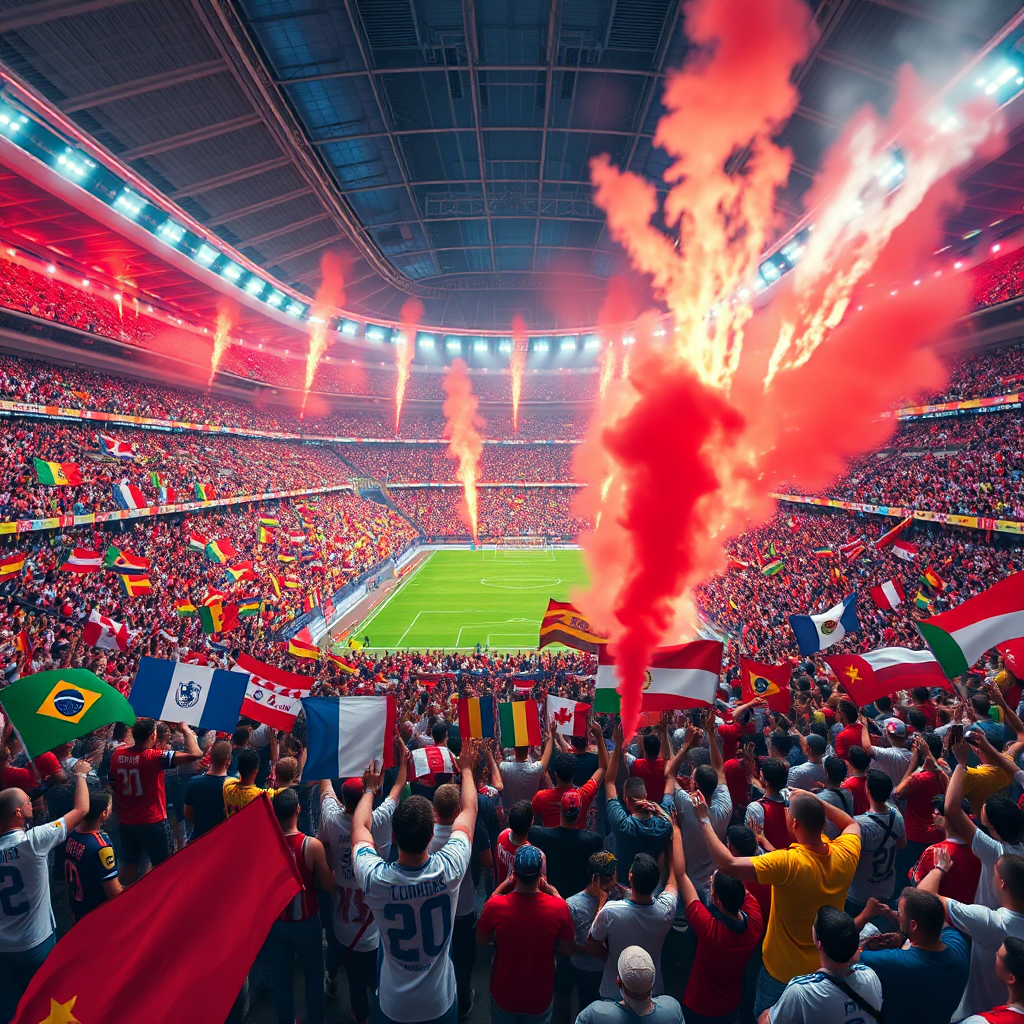
 Hình minh hoạ: sky88
Tactical Shifts & Squad Management
Managing an intensive schedule requires more than simply naming substitutes. Coaches are restructuring press triggers, reducing high-intensity running zones in training, and utilizing video analysis to identify opponent vulnerabilities before deployment. Several squad rotations have introduced younger academy prospects who operate with higher vertical spacing, forcing opposing defenses to cover larger areas. These structural changes directly influence possession retention rates and late-game stamina reserves. When bench depth aligns with the tactical system, teams maintain control during the eightieth minute mark, which frequently decides tight European encounters. Managers are also adopting flexible formation swaps, transitioning from a 4-3-3 to a 3-5-2 during away legs to tighten central channels and limit counterattack lanes.

Performance Indicators & Table Impact
Statistical tracking shows a clear correlation between managed minutes and point accumulation in both continental and domestic tournaments. Teams averaging lower per-match sprint counts while maintaining passing accuracy above sixty-eight percent consistently secure favorable positioning in group standings and knockout brackets. Recovery metrics also play a critical role; clubs implementing delayed substitution windows and targeted hydration protocols report fewer soft-tissue disruptions during back-to-back fixture periods. These physiological advantages translate into cleaner transition play and reduced error rates during high-pressure moments. Consequently, squads that prioritize long-term availability over short-term star appearances often finish the campaign with stronger aggregate records. Points gaps between tier-one and tier-two opponents have narrowed, making every scheduled match a decisive factor in qualification mathematics.

Upcoming Fixtures & Qualification Scenarios
The next competition cycle introduces additional congestion, particularly for sides contesting multiple tournaments simultaneously. Match organizers have scheduled late-evening kickoffs to accommodate global broadcasting requirements, which extends recovery windows for visiting squads. Analysts anticipate that managers will continue favoring rotational stability, allowing key operators to rest during low-leverage group stage meetings before intensifying performance for decisive knockout clashes. Tracking official team announcements will remain essential, as unexpected rest decisions frequently alter expected lineups and shift competitive dynamics. Monitoring these adjustments provides a clearer picture of which clubs possess the structural depth required to sustain momentum through the final stretch.
For professionals seeking continuous updates on schedule shifts, player availability, and performance metrics, platforms like sky88 provide reliable information channels that help track developments without unnecessary noise. Consistent data verification ensures that tactical projections remain grounded in actual squad readiness rather than speculative assumptions.
Strategic Recommendations by Audience
- Casual supporters: Focus on observing lineup stability rather than chasing individual statistical peaks, as squad continuity drives predictable tactical execution across congested windows.
- Fantasy participants: Prioritize players with guaranteed start status in double-match weeks, avoiding athletes listed as questionable due to accumulated minute restrictions or minor knocks.
- Analysts and strategists: Verify official fixture confirmations and travel itineraries before projecting outcomes, since administrative delays or weather conditions frequently modify kickoff times and affect preparation quality.
- Team researchers: Cross-reference medical bulletins with historical substitution patterns to forecast fatigue thresholds and identify optimal rotation windows for upcoming continental ties.