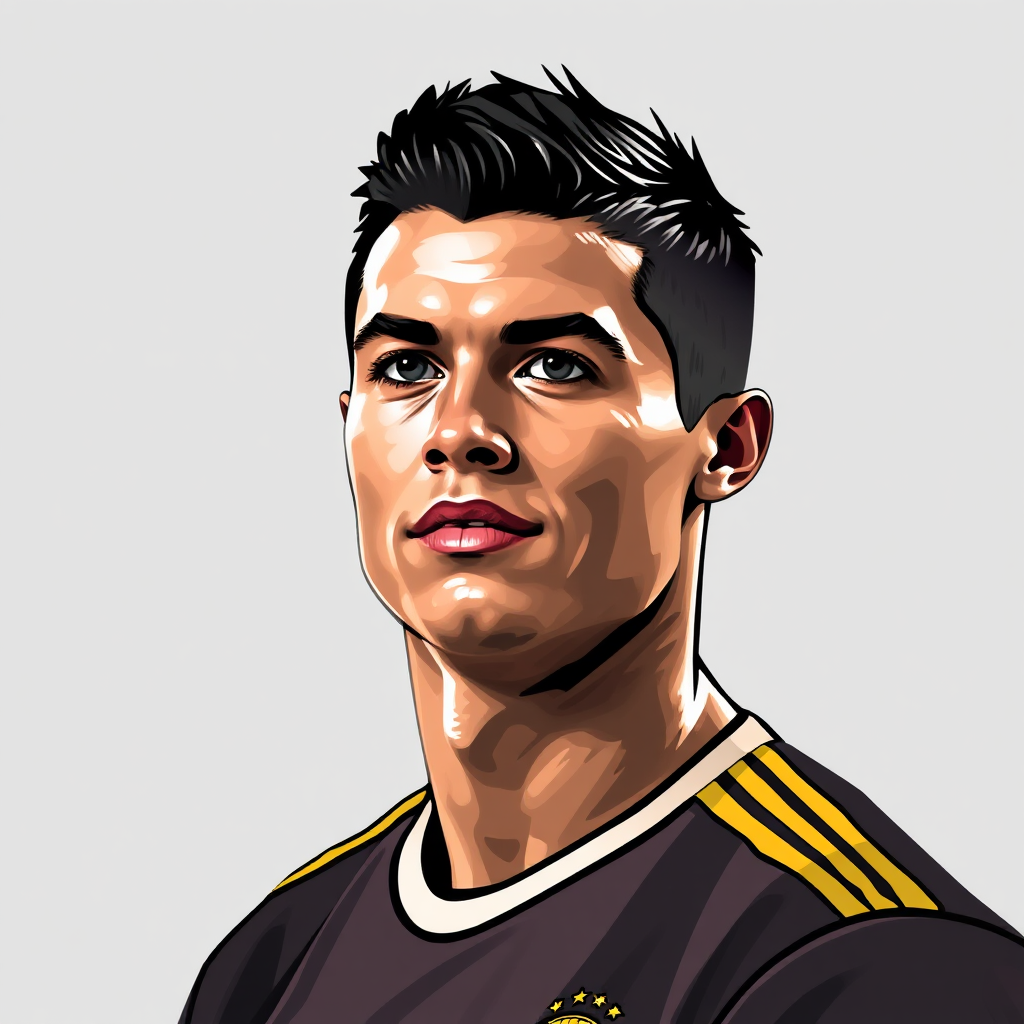
Hansi Flick on Squad Depth: What the Manager’s Emphasis Means for Football Analysis and Betting Decisions
If you follow team news before placing a bet, Hansi Flick’s repeated emphasis on squad depth is one of the most useful managerial signals you can study. The short answer to what his insight means for you as a bettor or analyst is this: lineups matter more than star names, and the teams that rotate effectively without losing performance are the ones worth trusting across competitions. But the longer answer involves learning how to verify team news, separate genuine rotation from forced changes, and avoid overvaluing a big squad on paper.
Why “Squad Depth” Appears in Every Hansi Flick Press Conference
Flick has built his reputation on pressing football, quick transitions, and a clear structure that demands intense physical output. That style does not work with eleven players. It requires a roster where a second-choice winger can enter a match and produce the same pressing intensity as the first-choice option. When Flick talks about needing more options, he is not making a polite excuse. He is describing a tactical requirement: if one player underperforms or an essential starter is suspended, the system collapses unless the replacement understands the positioning and the timing of the press.
This matters for football analysis because many casual observers evaluate teams by the quality of their starting eleven. Flick evaluates them by the quality of their second eleven. In the Champions League, domestic cups, and congested winter schedules, the team with the deeper bench historically wins more late-season matches. That is not an opinion; it is a pattern visible across recent title races.
 Hình minh hoạ: tr88 link
What Users Search For When They Look Up “Manager Insights” on Platforms Like tr88cv.com
The phrase “manager insights” appears in a specific context on football-related betting platforms. Users are not looking for press conference transcripts. They are looking for actionable angles: which manager is likely to rotate, which player is nearing a return, and whether squad depth gives a team an edge in an upcoming fixture. On sites like tr88 link and similar review-oriented pages, bettors want to understand how a coach’s public comments translate into odds movement, over/under totals, and favorable betting angles.
When Flick says his squad is too thin, the market hears:
- Possible rotation in the next match, which may affect the over/under line.
- Higher injury risk for key players, which affects the outright winner market.
- Increased chance of dropped points in the fixture immediately before a big European match.
That is the real search intent. You are not trying to analyze football tactics for the sake of it. You are trying to determine whether the manager’s words signal a bet that has positive expected value.

Who Fits Flick’s Squad Depth Model and Who Does Not
Not every player benefits from a deeper squad. In fact, the conventional wisdom that “more options always help” is false, and this is where a risk-management mindset is crucial.
Players Who Fit the Model
These are the players who see squad depth as an opportunity:
- Versatile midfielders who can play as a six, an eight, or a ten gain more minutes in a Flick system because rotation happens across multiple roles.
- Young wingers who can sprint for 70 minutes and then be replaced by a fresh, equally dangerous substitute benefit from the manager’s high-press demands.
- Veteran defenders with positional intelligence can be rotated intelligently, preserving their legs for the final quarter of the season.
- Utility full-backs who can invert or overlap become more valuable as the season stretches into April and May.
Players Who Do Not Fit the Model
These players lose value when a squad becomes deeper:
- High-ego strikers who expect to play 90 minutes every match often struggle when rotated. Flick’s system demands defensive contribution from the front line, and not every striker accepts that trade-off.
- Specialist wide players who cannot press effectively and only offer moments of creativity in the final third become a liability when the manager demands collective pressing.
- Injury-prone playmakers who need consistent rhythm to perform may never reach form if they are managed with cautious rotation.
- Players who need the game to come through them, such as ball-dominant number tens, often feel suffocated in a system that prioritizes quick ball movement and position-switching.
The angle to remember is “fit,” not “talent.” A talented player who does not fit the pressing structure is less useful than a limited player who executes the tactical script perfectly. This distinction is what separates a generic football opinion from a genuinely useful tr88cv.com-style analysis point.

How to Verify Team News and Rotation Signals Before You Bet
As a risk management advisor, I want to stress that you cannot take a manager’s public comment as a confirmed fact. Press conferences are strategic communication. A manager might downplay squad depth to put pressure on the board, or exaggerate it to manage opponent expectations. You need a verification checklist.
- Cross-check the source. Do not trust one translation of a press conference. Compare the original language source, a reputable football journalist, and the official club account before treating a quote as substantive.
- Look for injury list confirmation. A manager’s complaint about depth is only useful if the injury list is confirmed by the club’s official medical bulletin. Without that bulletin, the statement is speculation.
- Track the last five lineups. If a manager has rotated in the previous five competitive matches, the next match is statistically more likely to feature rotation. If the manager has consistently played the same eleven, a new complaint about depth may not change the lineup.
- Check the fixture calendar. A manager will prioritize. If the team has a derby in three days, the upcoming match is more likely to see heavy rotation.
- Compare the bookmaker’s odds. If the odds for the second-choice goalkeeper or a young defender shortening, that movement is a market signal that rotation is coming.
When you evaluate a platform like tr88cv.com for the purpose of acting on these signals, apply similar verification criteria. Do not assume that a site has high payout limits, fast withdrawals, or fair odds because the interface looks modern. Check independent reviews, licensing details, and user complaints about verification delays. Applying the same skepticism you would apply to a suspicious press conference is the correct mindset.

Key Metrics to Compare When Evaluating Managers and Their Squads
This table is a practical reference for comparing how different coaches use their squad depth, and it can also be used as a template for evaluating teams before you commit money to a bet:
| Metric | What It Tells You | Where to Verify It |
|---|---|---|
| Substitutions per match | Willingness to trust the bench | Match reports, official club statistics |
| Minutes distribution among non-starters | Actual depth, not just squad size | League websites, advanced analytics |
| Points won after the 70th minute | Impact of substitutes and conditioning | Match logs and result history |
| Rotation in lower-priority competitions | Strategic planning and squad trust | Cup match lineups, club announcements |
| Injury recovery timeline reliability | Medical department quality and honesty | Official club injury bulletins |
Keep this table practical. When you read a manager’s quote about squad depth, ask: does the player usage data support or contradict the statement? If a manager complains about depth but has not used his substitutes in the last three matches, the statement may be about contract negotiations, not actual lineup planning.
Frequently Asked Questions
Does Hansi Flick’s tactical system require a deeper squad than other top managers?
Yes, in a practical sense. His pressing approach demands high physical output from every outfield player, which makes rotation essential to avoid injuries. However, you should compare his rotation rate to other managers in the same league before drawing conclusions.
What is the safest way to use manager insights for betting?
The safest approach is to wait for confirmed lineups and verified injury reports before placing a bet. Manager statements alone are not reliable signals. They should be used as a hypothesis, not as a basis for a wager.
How do I know if a betting review platform like tr88cv.com is trustworthy?
Apply the same verification rules you would use for any financial decision: check for a valid license, independent user reviews, transparent terms, clear withdrawal limits, and a responsive customer support team. Do not rely solely on the platform’s own promotional language.
Why do bookmakers change odds when a star player is left on the bench?
Bookmakers adjust odds based on their estimation of the team’s probability of winning. A bench of high quality still carries some uncertainty because substitutes have less match rhythm. The drop in odds is a market response to that uncertainty.
What This Means for Your Next Decision
Hansi Flick’s emphasis on squad depth is not just a tactical opinion. It is a signal about planning, risk distribution, and the hidden value of players who rarely make headlines. If you approach this with a verification mindset, you can apply the same logic to any manager in any league. Ask who benefits from rotation, who suffers from it, and whether the actual team sheet supports what the manager says in public.
Key Risks to Remember
Before you act on any of this, keep these risks in mind:
- Press conferences are not data. A manager’s comment about squad depth may be aimed at the club’s board, not at the next opponent. Treat it as context, not evidence.
- Verified sources only. A quote from an anonymous Twitter account is worthless. Wait for official club announcements and reputable journalists who have a track record of accuracy.
- Squad depth does not guarantee wins. A deep bench improves the probability of success over a long season, but in any single match, the favorite can lose. Do not increase your stake because a manager said he trusts his substitutes.
- Platform reviews are not financial advice. Even if a platform has positive reviews and smooth navigation, you still need to set a bankroll limit and understand the risks involved in betting. No analysis of depth or rotation changes the fundamental fact that betting is a form of entertainment with financial risk.
- Expect the unexpected. A manager may say one thing and do the opposite. Late fitness tests, overnight injuries, and personal reasons can change a lineup minutes before kickoff. The only confirmation that matters is the official starting eleven.
Use the insight, verify the information, and manage your exposure. That is the only sustainable approach to football analysis and betting.